.jpg)
Store Interior — How the Right Furnishings Increase Sales and Improve Customer Experience
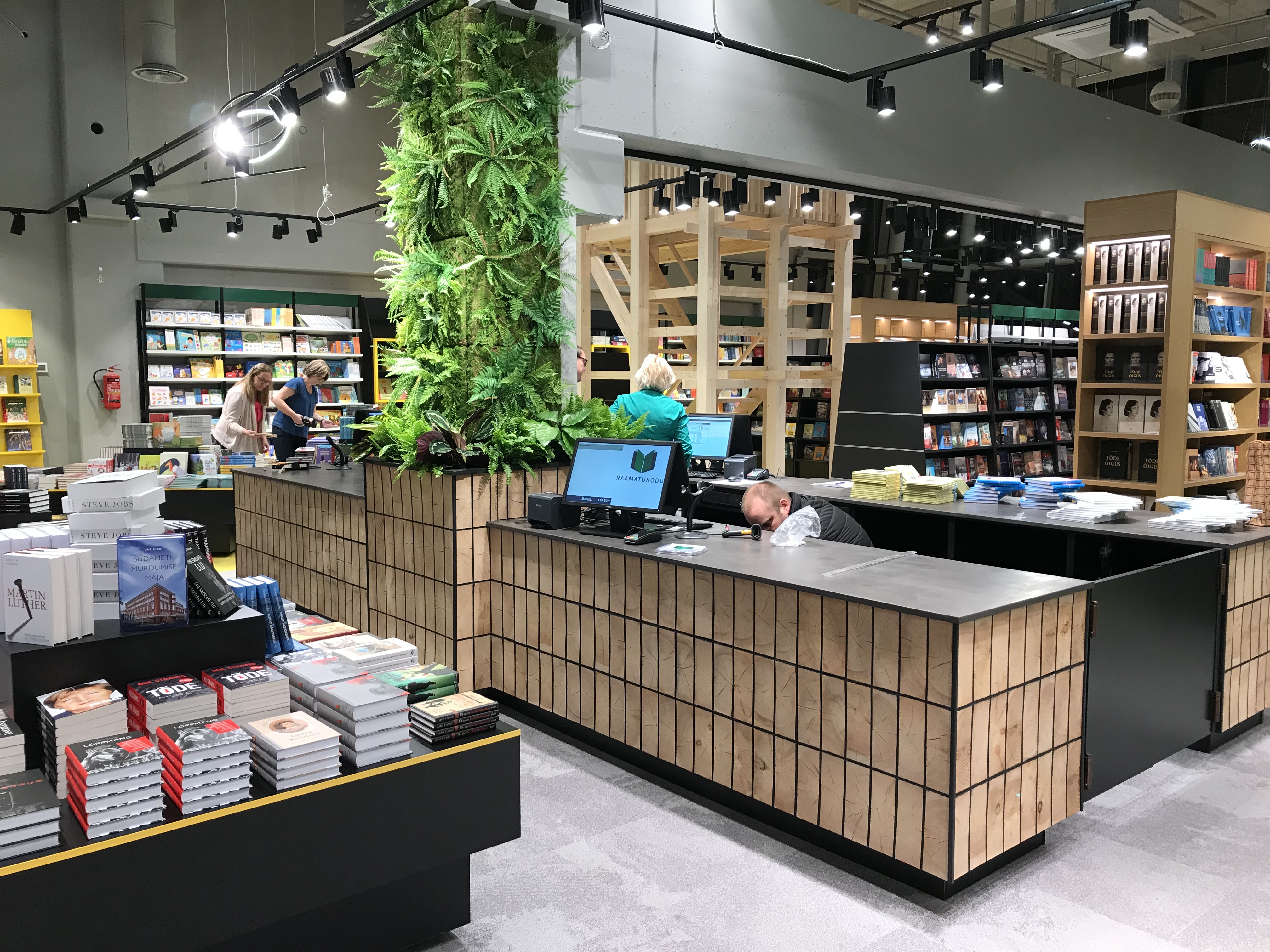
Store decor is not just about placing shelves and counters in a room. It is a strategic tool that directly affects customer behavior, purchase decisions and store sales results. A well-thought-out interior helps to create a clear logic of movement, increases the visibility of products and makes visiting the store comfortable and pleasant.
In this article, we will explain why store furnishings are an important investment, how it affects sales and what every entrepreneur should pay attention to when furnishing their store.
What is store furnishings and why is it important?
The store interior includes all the elements that make up the physical environment of the store:
- shelving systems
- counters and checkout solutions
- showcases and displays
- distribution of space and paths of movement
The right interior not only fulfills a practical purpose, but also supports the brand image and creates an understandable and logical shopping environment for the customer. If the customer quickly finds what he is looking for and naturally moves forward in the store, the likelihood of a purchase also increases.
How does the store's interior affect sales?
1. Customer movement in the store
A well-planned interior guides the customer through the entire sales area. This will help:
- avoid “dead areas”
- also direct the customer to products that he was not initially looking for
- extend the time of stay in the store
The longer a customer stays in the store and the more he sees products, the higher the likelihood of a purchase.
2. Visibility and layout of products
The right shelf height, lighting and product distribution directly affect sales. Well-visible and logically placed products:
- sell better
- Reduce customer confusion
- Supportive impulse control
3. Customer experience and comfort
An uncomfortable, cramped or cluttered store will scare away customers. Well-thought-out store interior:
- makes shopping easy
- makes a professional impression
- increases the number of repeat visits
Common mistakes in store furnishings
Many stores lose sales potential due to simple mistakes:
- too narrow gauges
- random arrangement of products
- insufficient or incorrect shelving system
- overloading or underloading the room
- furnishings that do not support the business direction of the store
These mistakes are mostly avoidable if the interior is planned as a whole, and not by individual elements.
Custom vs Standard Solutions
Standard solutions
- suitable for a quick and easy solution
- often more favorable
- limited flexibility
Custom Shop Furnishings
- takes into account the specifics of the room and the choice of goods
- Supports better sales logic
- allows you to create a distinctive and professional result
In many cases, it is precisely the tailor-made solution that gives better profitability in the long term.
When is it time to upgrade your store?
Examples of the need to update the store's interior are:
- decrease in sales results
- outdated look of the store
- changed range of goods
- new competitors in the market
- Customers can't find products quickly
Updating an interior does not always mean a complete makeover - often the right changes are enough.
Store interior as an investment
Well-planned store furnishings:
- Supports sales every day
- improves the customer experience
- helps to stand out from competitors
- lasts for years
Therefore, it is worth treating the interior as an investment that will work for your business in the long term.
Next steps
If you want to create a functional, durable and sales-supporting store space, it is worth starting with a professional complete solution.
👉 Check out our store furnishing solutions
👉 See the work we have done
👉 Ask for a personalized solution for your store